
William Faulkner & Susan Rebecca White join us
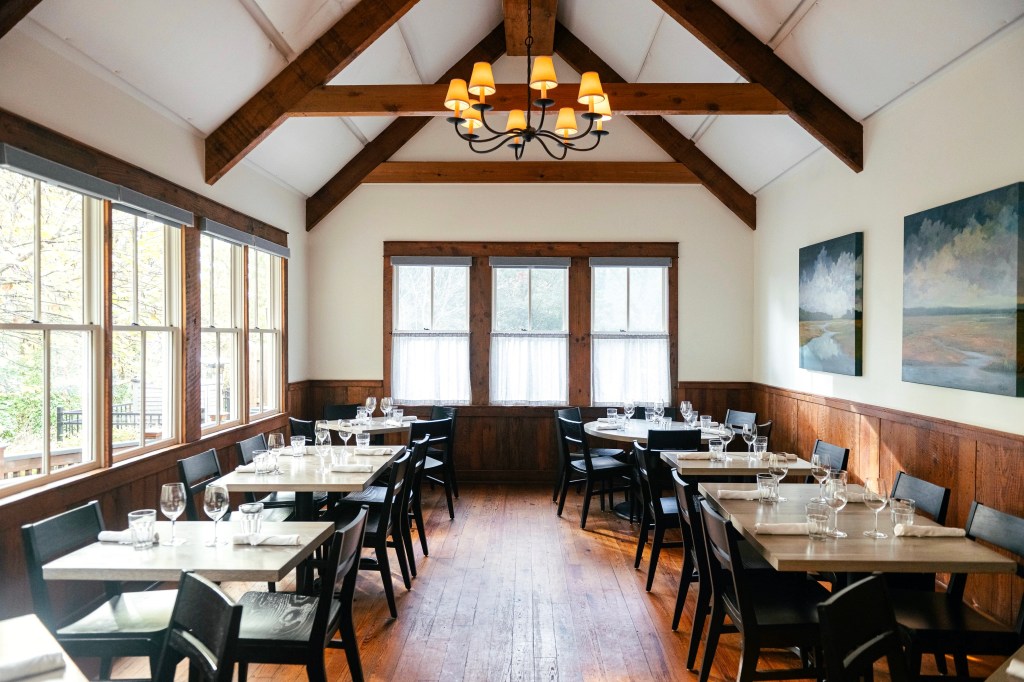
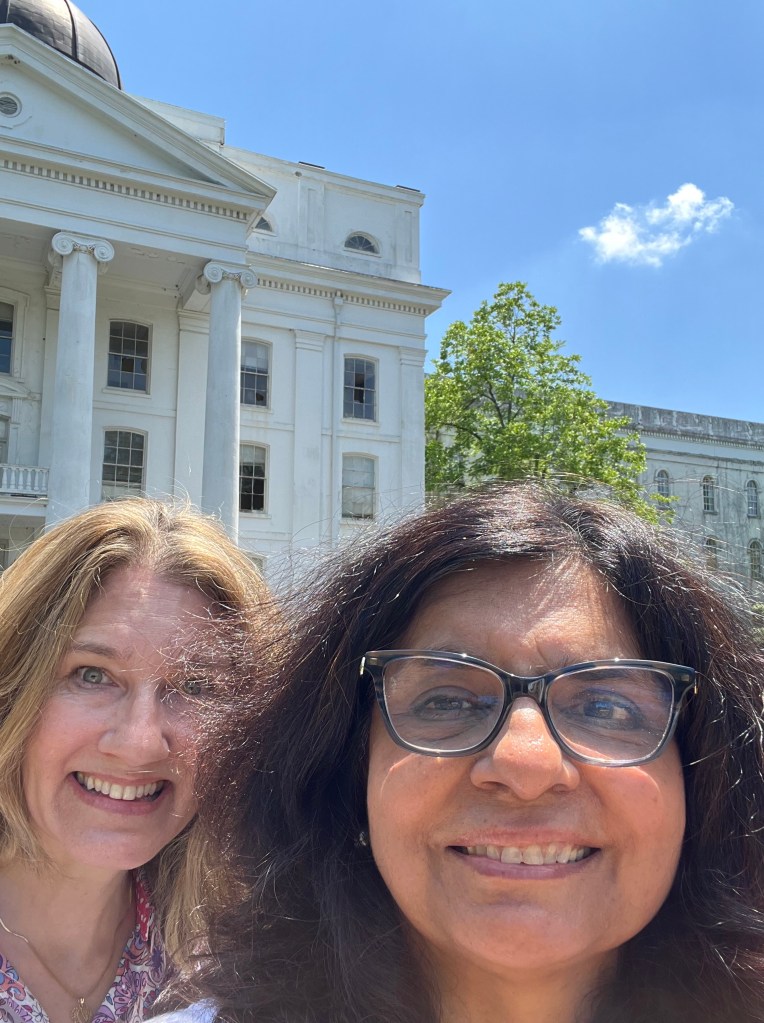
Not long ago I made an outing to Roswell, Georgia, with Parul Kapur (author of Inside the Mirror). We’d been going on literary outings OTP (outside the perimeter of Atlanta) but this one was just an outing. We had a lovely walk along the Chattahoochee River, popped in at the consignment store Board of Trade, and landed for dinner at the esteemed restaurant Table & Main, where Parul wanted to go because of its Michelin Bib Gourmand designation. That’s why it was so surprising when after a delicious spread of meatloaf, shrimp & grits, the vegetable plate, and wine, and after a nice literary conversation, the checks arrived tucked inside southern novels. The restaurant’s owner-operator Ryan Pernice later explained the gesture: “We find it makes guests happy at what would otherwise be a low point. No one likes getting the bill!”
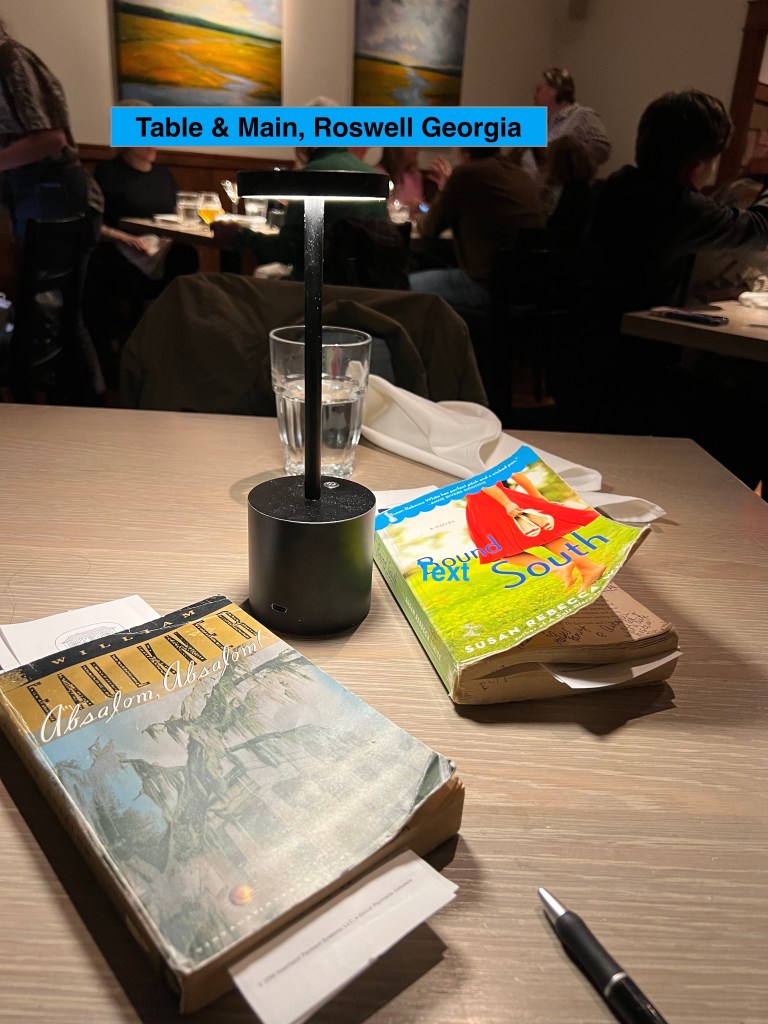
Parul’s check was inside Absalom Absalom! (1936) by William Faulkner, which she hadn’t read. Mine was inside Bound South (2009) by Susan Rebecca White, which I hadn’t read but which, aptly, Parul had once reviewed.
The books had some interesting comments written inside them by patrons at the restaurant. It turns out these “love notes” are a kind of tradition encouraged by the management.
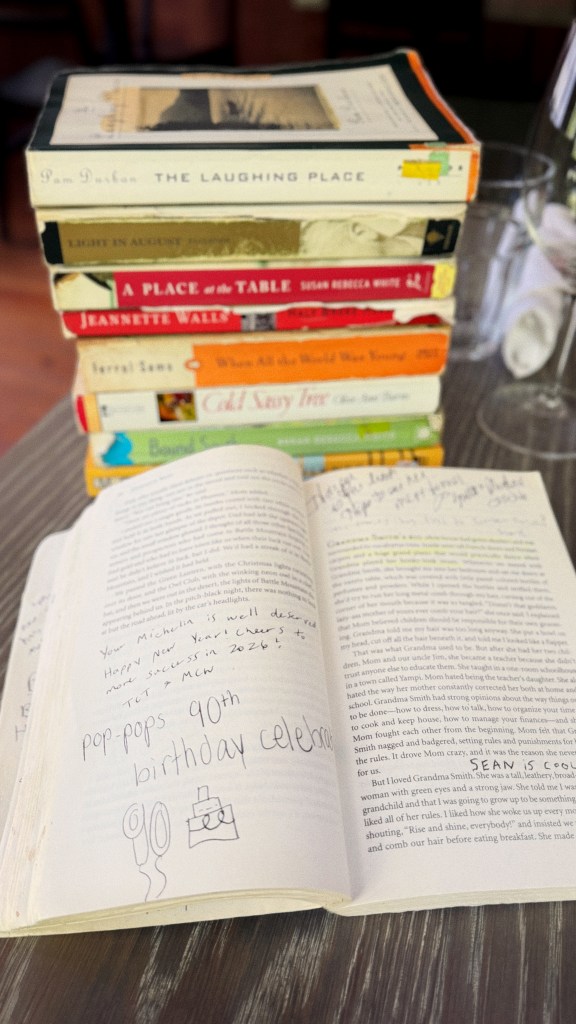
(courtesy of Ryan Pernice)
While someone else might see the delivery of checks inside books as just a novelty, I took it as an assignment! After all, it’s rare to take home substantive inspiration from a restaurant meal. I proposed to Parul that we each read the novels and have a conversation about them for this blog. She paused. “That would mean I’d have to read another book,” she reflected. As the 2025 winner of Georgia Author of the Year award for debut novel she was in the process of judging the 2026 nominees. “So no….”
Instead I took the challenge myself and proceeded to read both books. And it was a challenge, as anyone who has tried to slog through Absalom Absalom! knows – 300 pages of dense prose from successive points of view slowly revealing the components of a convoluted plot, Biblical in scope – Quentin Compson’s story. In my college Faulkner course I’d thrown in the towel at Absalom Absalom! – I simply didn’t have the reference points, the literary maturity, or the understanding of how haunting legacies of the south are relevant today. It was so worthwhile to see the way it all comes together at the end, and I now am compelled to read it a second time to go deeper and also return to Faulkner’s The Sound and the Fury, a connected book. So thank you, Table & Main.
Pernice was impressed. “I don’t know that anyone would ever say that they were ‘delighted’ by Absalom Absalom!, and I applaud you for finishing it outside of college.”
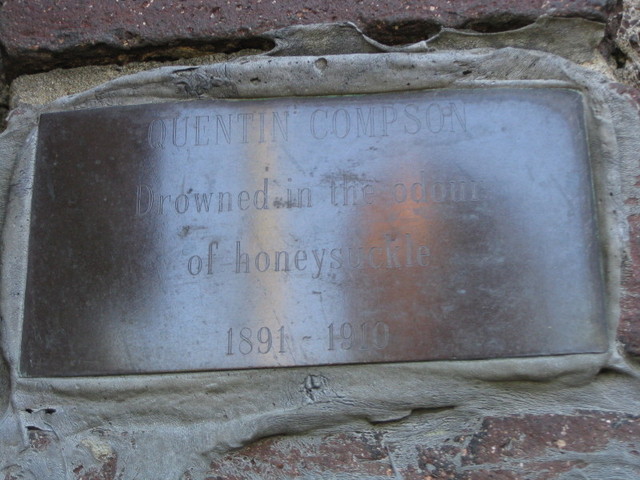
In a breach of etiquette I’m going to quote the book’s end, because honestly I see it more as a trailer than a spoiler for this now probably not-enough-read novel. The novel ends with Quentin’s damning words:
I don’t hate it [the South], he thought, panting in the cold air, the iron New England dark; I don’t. I don’t! I don’t hate it! I don’t hate it!
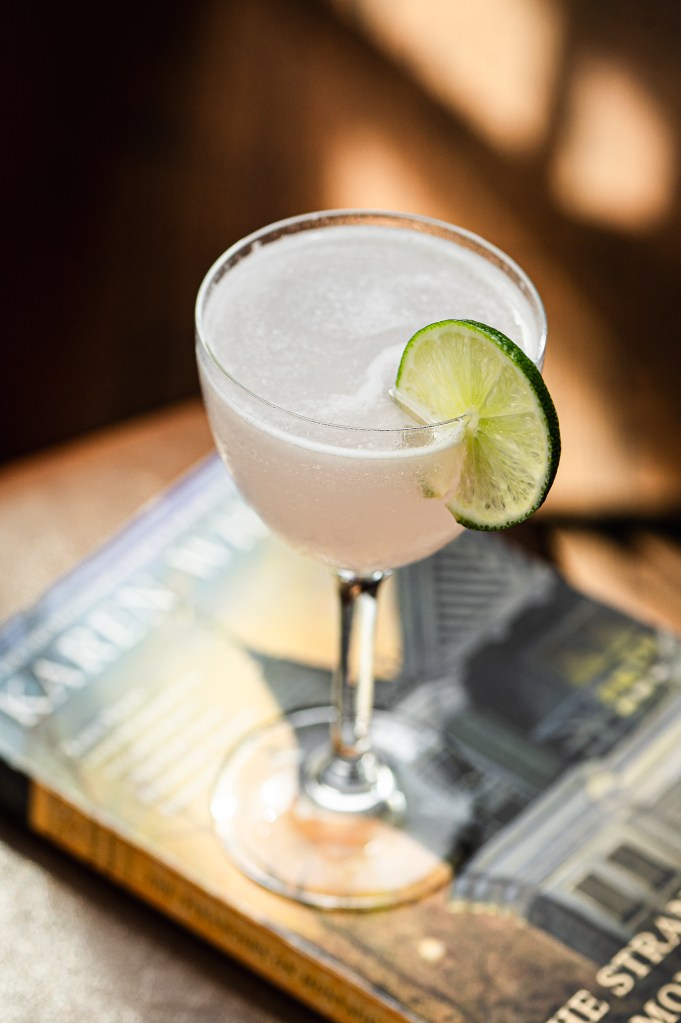
More concretely, as a creative restaurateur, Pernice finds inspiration in the creation of Yoknapatawpha County, Mississippi, where many of Faulkner’s books are set:
What I love about his novels in relation to our restaurant is he created his own universe, that was very much based on facts but wasn’t a factual place … and so he’s another example of world building, where we talk in the restaurant a lot about every decision’s intentional, and every aspect of the art in the novel is intentional, and of course the food, the wine we choose, is all intentionally geared to make people feel a certain way in this world that we’ve created.
After Absalom Absalom!, reading Bound Sound was a refreshing breeze. And, again, I have only the restaurant to thank for inspiring me to read the book. White’s humorous reckoning read like a primer on how to interpret white upper-class Atlanta. The novel speaks both to enduring customs (e.g., private schools, country clubs, black maids, keeping up appearances, glossing over the truth to maintain an illusion, and racial tension) and change (e.g., embracing gayness, outsider art, and a stint in San Francisco). I read many parts of Bound South aloud to my husband Les, and we laughed at the aptness of the references. Then Les asked if people would understand if they were not from Atlanta or had not lived there. Very good question.
I asked Pernice what he thought.
Well, isn’t that another hallmark of southern lit? There’s so many winks and nods to people who understand. To use a trope, the old southern ‘Bless her heart’: an author may write that and anyone not familiar with the south may take it at face value that they’re saying something kind when (in fact they aren’t). So it’s funny that southern lit has such a clubby mentality to it.
I had a frisson of revelation. “Clubby” struck me the word I’ve been looking for ever since moving to Atlanta. Is southern lit clubby? That’s a very interesting question. But I do know that Atlanta and its environs are clubby. They run on clubs. And I’ve been asking around: Do others agree, is Atlanta a particularly clubby city? Yes, said the well-traveled Parul. Yes, said Les. Yes, I believe, said Susan Rebecca White. And yes, said others.
I confess that clubby is perhaps my least favorite word. Where it might conjure to some the warm and cosy sense of belonging, to me it conjures the possibilities of exclusion. There is Atlanta’s old-money blue-blood club, for example, and then the many specific luxury golf and country clubs with entry fees ranging from $25,000 to $100,000+ with histories of excluding Blacks, Jew, and others. Tell me about a club and my first instinct is to run the other way.
So it was very interesting to me that when I asked Pernice what world he was building at Table & Main, he said:
I would describe it as simple seasonal southern. That’s our mantra there. Between that, which is our guiding north star, and the idea of creating the neighborhood clubhouse, which is a pretty Faulkner idea in and of itself, Table & Main was always supposed to be a gathering place by and for the community and I think we’ve delivered on that. At 15 years old I’m proud to see us come through with that vision. That’s our world, the neighborhood club house of Roswell.
Here “club house” I think suggests a fun, not-too-fancy local gathering spot for people to come back to time and time again. I think that Pernice means “club house” in the best possible sense of the word. It made me think deeper. Want to or not, we all belong to clubs. There is the zip code club. The job club. Going to college has become an elite club. Zodiac signs and Myers-Briggs personality types are clubs, not to mention sports teams. To set about building a world that welcomes all is a mighty aspiration in our present world. And indeed, Parul and I felt completely comfortable and happy lingering at this lovely restaurant. I went home with an assignment and ended up with a better understanding of the south.
More at LIT Alive!
 LIT Alive!